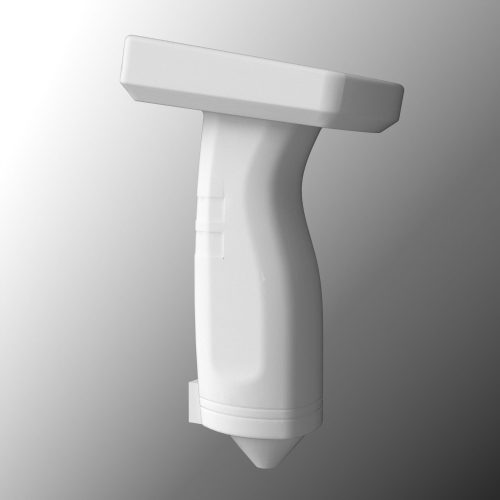
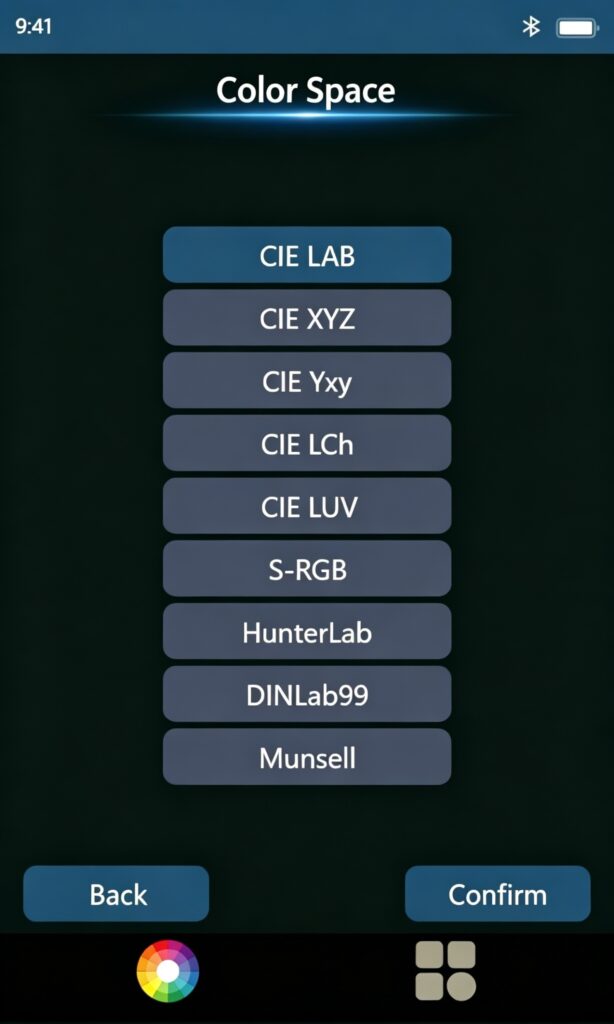
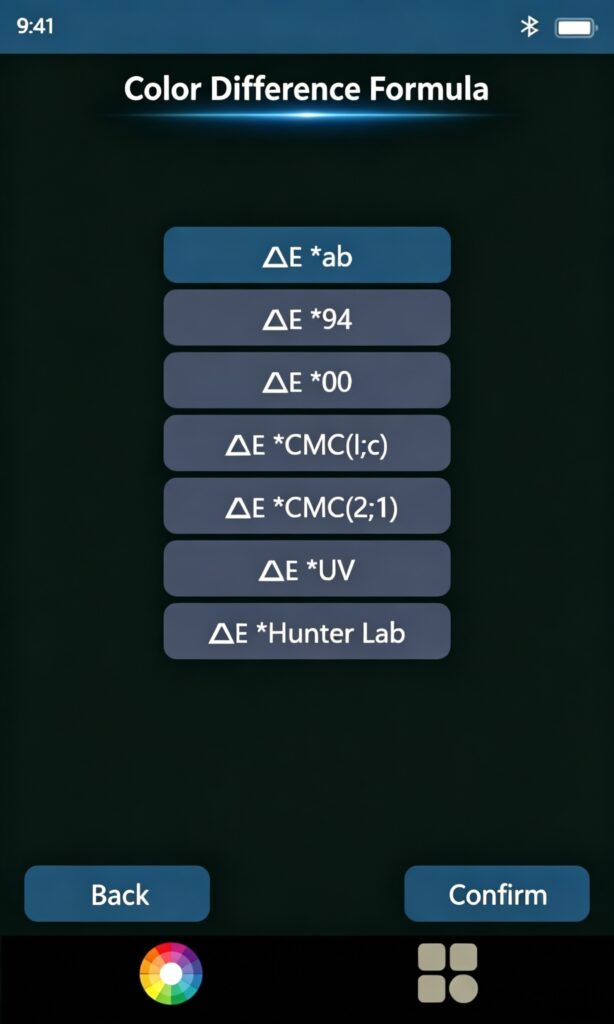

The Sanyuanse TC-1008d Spectrophotometer is a high-precision, portable industrial color measurement device. Featuring a d/8° integrating sphere geometry, it supports dual-mode SCI/SCE measurements and covers a wavelength range of 360–780 nm. Capable of accurately analyzing fluorescent samples, it outputs parameters across multiple color spaces as well as color difference values. With its user-friendly operation and stable precision, this instrument is ideally suited for color matching, quality inspection, and color difference control across a wide range of industries, offering comprehensive functionality and exceptional value.
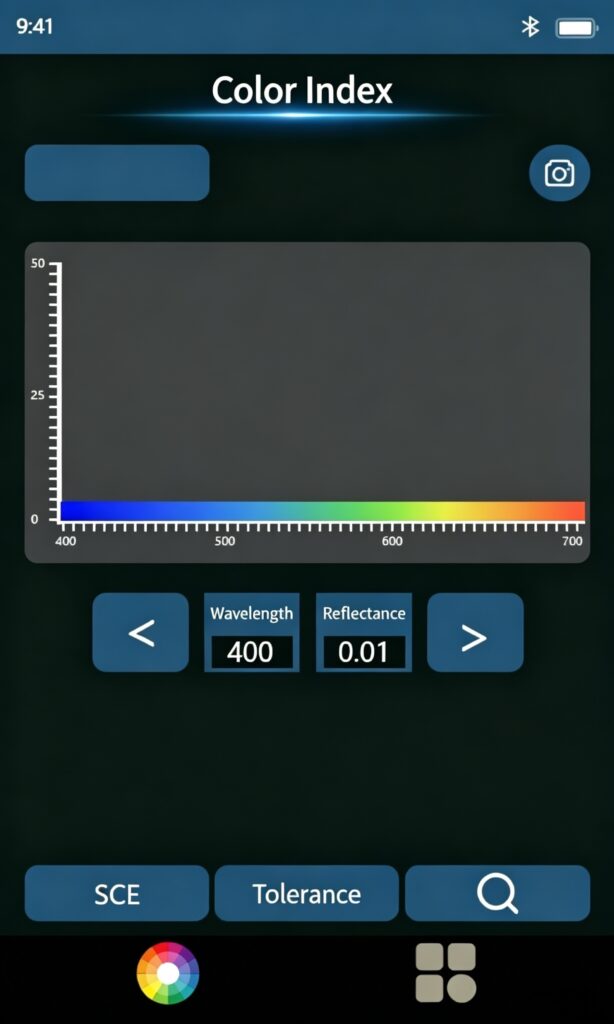
The Sanyuanse TC-1008d Spectrophotometer is a high-precision, portable industrial color measurement device. Featuring a d/8° integrating sphere geometry, it supports dual-mode SCI/SCE measurements and covers a wavelength range of 360–780 nm, enabling the precise analysis of fluorescent samples.
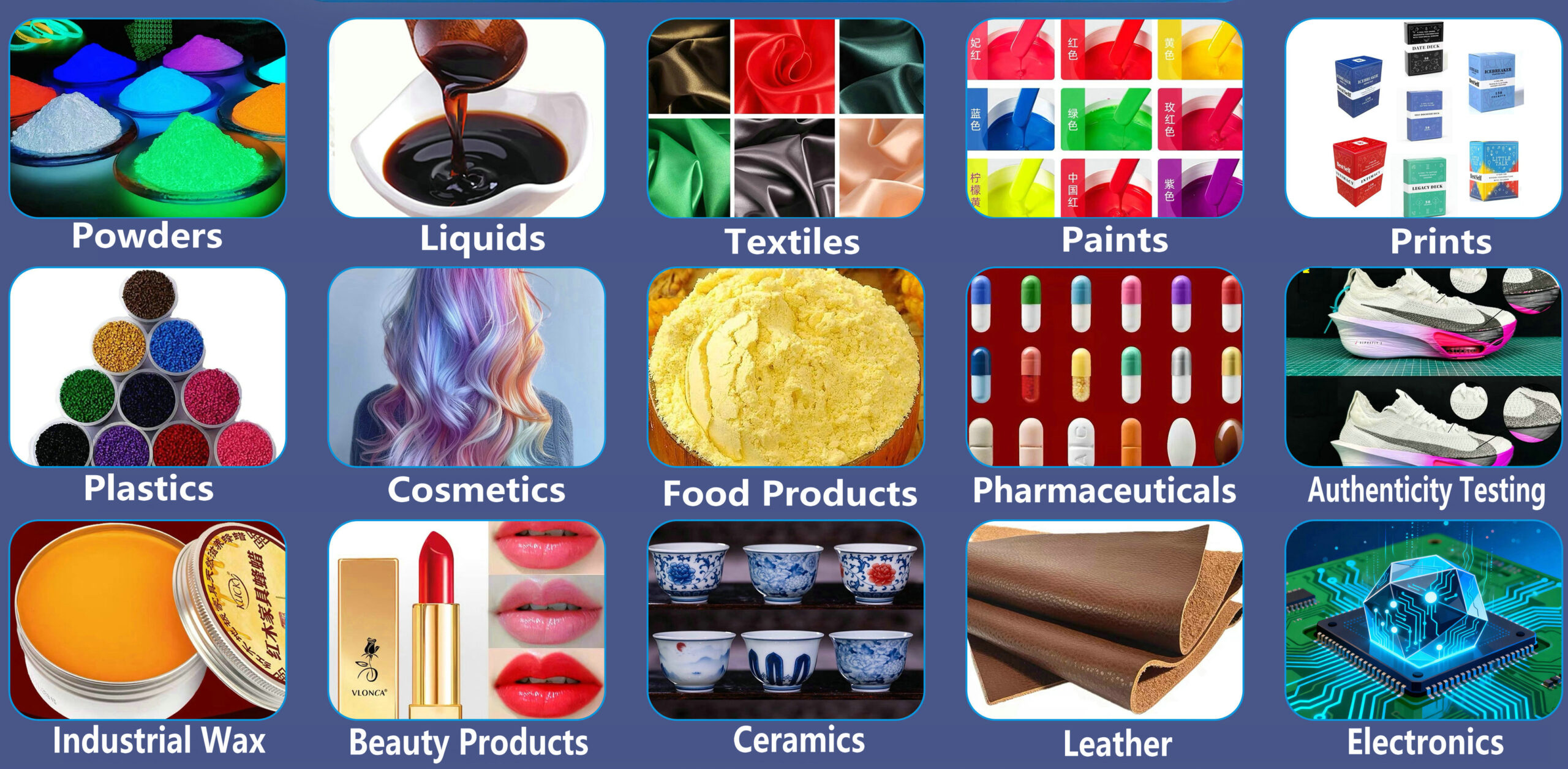
Primarily utilized for the acquisition of color parameters and the calculation of color differences, this device is tailored for use across 12 major industries, offering a blend of professional-grade performance and practical utility.
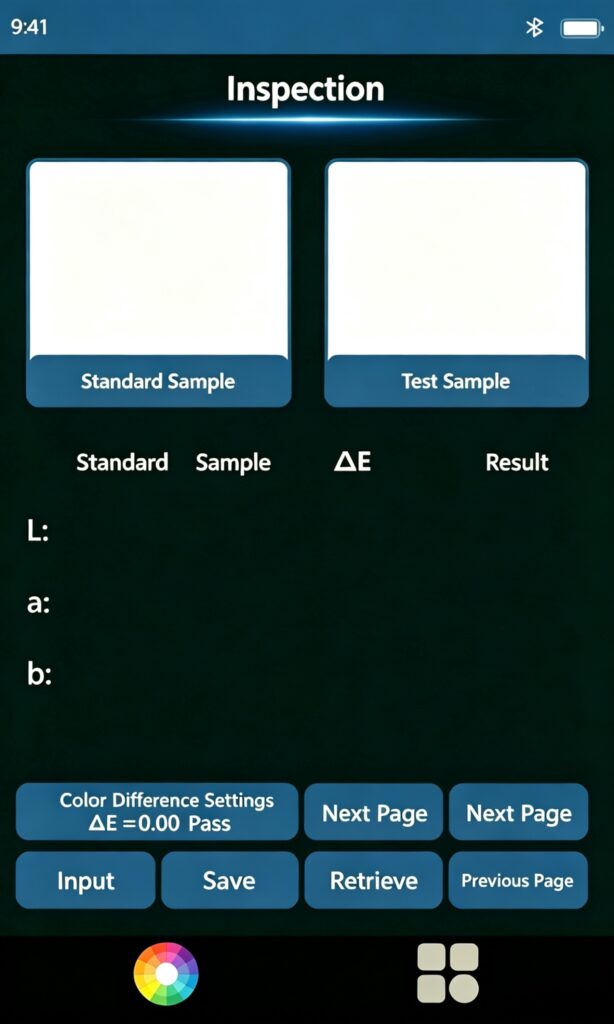
This device accurately outputs color space parameters across multiple systems, including Lab, XYZ, and RGB. An illustrative example comparing parameters for a standard sample against a measured sample is as follows: The standard sample yields Lab values of L=80.2, a=1.5, and b=10.3; XYZ values of X=72.1, Y=75.3, and Z=80.5; and RGB values of R=225, G=220, and B=208.
The measured sample yields Lab values of L=81.5, a=1.2, and b=11.1; XYZ values of X=73.4, Y=76.8, and Z=82.2; and RGB values of R=228, G=222, and B=205.
The core formula for color difference calculation uses the industry-standard CIE 1976 equation: color difference (Delta E 1976) equals the square root of (lightness difference squared plus red-green difference squared plus yellow-blue difference squared). In this case, lightness difference (Delta L) = 81.5 – 80.2 = 1.3; red-green difference (Delta a) = 1.2 – 1.5 = -0.3; and yellow-blue difference (Delta b) = 11.1 – 10.3 = 0.8. Substituting these values into the formula gives a calculated color difference (Delta E 1976) of approximately 1.52,
1. Plastics Industry: Inspects plastic pellets, electronic casings, toys, and similar items to control batch-to-batch color differences;
2. Textile & Dyeing Industry: Measures yarns, fabrics, and finished garments, while assisting in dye color matching;
3. Automotive Industry: Inspects vehicle body paint, interior leather, and components to ensure color uniformity;
4. Coatings & Paint Industry: Controls batch consistency for coatings and paints, and is compatible with the inspection of fluorescent and metallic paints;
5. Electronics Industry: Inspects circuit boards, electronic components, and display screens to verify their surface colors;
6. Ceramics & Building Materials Industry: Measures ceramic tiles and accessories, optimizing material formulations to control color variations;
7. Printing Industry: Inspects printed materials and packaging products to prevent color registration errors;
8. Food Packaging Industry: Controls the color of packaging films and paper cartons to ensure compliance with industry standards;
9. Hardware Industry: Inspects hardware fittings and electroplated surfaces to enhance overall aesthetic quality;
10. Cosmetics Industry: Measures cosmetic raw materials and packaging to ensure color harmony and consistency;
11. Traffic Signage Industry: Inspects reflective films and road markings to ensure compliance with safety standards;
12. Pharmaceutical Industry: Inspects pharmaceutical packaging and medicinal capsules to ensure regulatory compliance.
This device features user-friendly operation, delivers results within one second, and supports data storage and export capabilities, allowing for the creation of industry-specific color databases. Thanks to its high precision (repeatability of ΔE ≤ 0.005) and exceptional versatility, it has become the preferred instrument for color control across various sectors, empowering enterprises to digitize and standardize their color inspection processes, thereby minimizing human error and boosting product pass rates.